Kuzu zangpola & Welcome to
Bhutan 4 Friends Tours & Travels
Discover Bhutan. Experience the Difference.
Visa & Entry Permit
Most international visitors travelling to Bhutan need to obtain a visa before arriving in the country. Citizens of India, Bangladesh and the Maldives generally do not require a visa and can obtain the appropriate entry permit at the point of arrival by presenting a valid passport. Indian visitors may also use a Voter Identity Card where permitted.
The Bhutan visa application process is straightforward, and travellers do not need to send their original passport in advance. A clear scanned copy of the passport’s photo and information page is normally sufficient, with the passport having at least six months of validity from the intended date of travel.
Our team can assist with the visa application process on your behalf. Once the application is approved, you will receive a Visa Clearance Letter, which should be presented when travelling to Bhutan. The visa is then endorsed in your passport upon arrival.
We recommend completing the visa arrangements well before your travel date to ensure a smooth and stress-free journey.
Accommodation in Bhutan
Bhutan offers a wide range of accommodation, from charming traditional farmhouses and family-run homestays to comfortable hotels and world-class luxury resorts.
Hotels in Bhutan often combine traditional Bhutanese design with modern facilities, allowing visitors to enjoy comfort while experiencing the country’s unique architecture and culture. In major tourist destinations such as Paro, Thimphu and Punakha, travellers can choose from a variety of hotels to suit different preferences.
For those looking for a luxury experience, Bhutan is home to several internationally recognised properties and high-end resorts. These premium accommodations are available at an additional cost depending on the property and package selected.
Travellers can also choose more authentic stays, including farmhouses, heritage homes, eco-lodges and family-run accommodations. These options provide an opportunity to experience local hospitality, traditional food and the everyday lifestyle of Bhutanese families.
Accommodation standards can vary depending on the region. In eastern and more remote parts of Bhutan, where tourism is less developed, hotels and guesthouses may be simpler than those found in the main western tourist centres. However, the warm hospitality and peaceful surroundings make these stays a memorable part of the journey.
Trekking & Camping
Bhutan’s trekking routes offer a true wilderness experience. Unlike some other Himalayan destinations, you will not generally find tea houses or permanent lodges along the remote trekking trails.
For trekking journeys, camping arrangements are organised with weather-resistant tents and essential camping equipment. Your trekking team will set up camps and provide the necessary support throughout the journey. Guests are usually expected to bring their own sleeping bag, while other essential camping equipment is arranged as part of the trekking service.
Whether you choose a comfortable hotel, a traditional farmhouse or a remote mountain camp, accommodation in Bhutan adds a special dimension to your travel experience.
Money & Currency
The official currency of Bhutan is the Ngultrum (Nu.), which has the same value as the Indian Rupee. Indian Rupees are also accepted in many places, although it is best to carry smaller denominations.
ATMs are available in major towns such as Thimphu and Paro, but international cards may not work at every ATM. We recommend carrying some US dollars or other major foreign currencies and exchanging them at authorized banks or exchange counters after arrival.Major hotels, handicraft shops and some restaurants accept international credit cards. However, a small service or transaction fee may be added when paying by card.
If you have extra Ngultrum at the end of your trip, remember to exchange or spend it before leaving Bhutan, as the currency has very limited use outside the country.
Travel tip: Carry some cash for small purchases, local markets, cafés, tips and places where card payments may not be available.
Health & Medical Information
Bhutan is generally a safe destination for travellers, and visitors are not normally required to have specific vaccinations to enter the country. However, it is advisable to check with your doctor or a travel health professional before travelling and make sure your routine vaccinations are up to date.
For a comfortable trip, we recommend drinking bottled or properly treated water and taking normal precautions with food and drinks. Choose freshly prepared, well-cooked food and wash or peel fruits before eating them.
Medical facilities are available throughout Bhutan, with hospitals and health centres located in major towns and district headquarters. Travellers should still carry travel insurance that includes medical treatment and emergency evacuation, particularly if planning to trek or travel to remote areas.
Altitude Awareness
Many popular tourist destinations in Bhutan are located at moderate elevations, but some mountain passes and trekking routes reach much higher altitudes. Altitude sickness can affect anyone, regardless of age or fitness.
Common symptoms include headache, dizziness, tiredness, nausea, reduced appetite and shortness of breath. Take time to adjust to higher elevations, stay hydrated and avoid overexertion during the first few days. If you experience serious or worsening symptoms at high altitude, inform your guide immediately and move to a lower elevation if advised.
Travel tip: If you are planning a high-altitude trek or have any existing medical concerns, speak with your doctor before travelling.
Food in Bhutan
Bhutanese cuisine is simple, hearty and full of flavour. Rice is an important part of everyday meals, with both red and white rice commonly served alongside vegetables, meat and other local dishes.
Chicken, pork, beef and fish are widely available, while fresh vegetables are used in many traditional recipes. Depending on the region and season, you may also find buckwheat pancakes, noodles and other local specialities.
Ema Datshi — Bhutan’s Favourite Dish
One of the most famous Bhutanese dishes is Ema Datshi, a delicious combination of chillies and local cheese. It is traditionally served with rice and can range from mild to very spicy.
There are several variations, with ingredients such as potatoes, mushrooms, green beans and other vegetables added to create different flavours.
For an authentic Bhutanese dining experience, let your guide know that you would like to try traditional local food. Your guide can recommend restaurants and dishes according to your taste and spice preference.
Other popular dishes you may want to try include:
– Momos — steamed dumplings filled with meat, vegetables or cheese
– Phak Sha Paa — pork cooked with vegetables such as radish
– Jasha Maru — flavourful chicken cooked with tomatoes, garlic and spices
– Beef and vegetable dishes — prepared with fresh local ingredients
– Bhutanese noodles and buckwheat dishes — traditional alternatives to rice
If you prefer familiar flavours, you will also find Indian, Chinese and continental cuisine in most tourist areas and hotels.
Food During Treks
Food is an important part of a trekking journey. Our trekking teams prepare fresh, nutritious and filling meals throughout the trek. Experienced cooks accompany the group and prepare a variety of dishes suitable for the conditions and altitude.
We make every effort to ensure that trekkers have enjoyable meals while travelling through Bhutan’s remote mountain landscapes.
Transportation in Bhutan
Travelling through Bhutan is an experience in itself, with winding mountain roads, beautiful valleys and spectacular Himalayan scenery along the way.
We provide well-maintained and comfortable vehicles according to the size of your group. Our fleet includes vehicles from trusted Japanese and Korean manufacturers.
Vehicles for Different Group Sizes
- 1–2 travellers: Comfortable 4WD/SUV vehicles such as Toyota innova, kia Sorento, hyundai Santfee.
- Toyota Land Cruiser Prado(with extra cost)and selected Hyundai models.
- 3–5 travellers: Spacious vehicles such as Hyundai H-1 or Toyota Hiace.
- 6 or more travellers: Comfortable air-conditioned Toyota Coaster buses are generally provided for larger groups.
Our vehicles are used not only for sightseeing but also for airport transfers, local shopping, restaurant visits, meetings and other activities included in your itinerary.
Our experienced drivers are familiar with Bhutan’s mountain roads and take care to make your journey as safe and comfortable as possible.
Domestic Flights
For travellers who would like to save time on long road journeys, Bhutan also has domestic air services.
Flights operate on selected days to destinations such as Bumthang in central Bhutan, Yonphula in eastern Bhutan and Gelephu in southern Bhutan, subject to the airline’s schedule and weather conditions.
Domestic flights can be a convenient option for travellers who want to explore different regions of Bhutan without spending several hours on the road. Our team can help you check the available flight options and include them in your itinerary where suitable.
Weather & What to Wear
Bhutan experiences four distinct seasons, and the weather can vary considerably depending on the region and altitude.
From October to March, temperatures are generally cooler, particularly in the mornings and evenings. Winter can be quite cold in higher areas, so warm jackets, sweaters, thermal wear and comfortable closed shoes are recommended.
April and May usually bring pleasant spring weather, with comfortable temperatures and beautiful blooming flowers. From June to September, the weather is generally warmer and greener, although the monsoon season can bring rain, especially in June, July and August. A light rain jacket, umbrella and waterproof footwear can be useful during this period.
As temperatures can change during the day, layered clothing is a good choice throughout the year. Comfortable walking shoes are also recommended as many attractions involve steps, uneven paths or short hikes
Dress Code
Bhutan is a culturally traditional country, and visitors are encouraged to dress respectfully.
For everyday sightseeing, comfortable and modest casual clothing is perfectly suitable. Long trousers, jeans, shirts, T-shirts and comfortable dresses are generally fine.
When visiting Dzongs, monasteries, temples and other religious or cultural sites, visitors should dress more conservatively. We recommend wearing:
- Long trousers or clothing that covers the knees
- Shirts or tops that cover the shoulders
- Modest and comfortable clothing
- Comfortable shoes that can be easily removed
Avoid very short shorts, revealing tops or overly tight clothing when visiting religious places.
Shoes and hats may need to be removed before entering certain sacred areas. Your guide will advise you on local requirements at each site.
Courtesy & Local Etiquette
Bhutanese people are known for their warmth, kindness and respect for others. A little awareness of local customs will help make your visit even more enjoyable.
A simple “Kuzuzangpo” is a friendly way to greet someone. When speaking to elders or showing greater respect, “Kuzuzangpo La” can be used. Handshakes are also commonly accepted.
Photography
Photography is welcomed at many outdoor attractions, and Bhutan offers wonderful opportunities for photographs. However, photography is generally not permitted inside temples and monasteries, as these are sacred spaces.
If you would like to photograph local people, it is polite to ask for their permission first, especially when taking close-up portraits.
Visitors should also respect restrictions regarding members of the Bhutanese Royal Family and should not take photographs of them unless photography is clearly permitted.
Visiting Religious Sites
When visiting temples, monasteries, chortens and other sacred places, please follow the instructions of your guide and local authorities.
When walking around a chorten, monastery, temple or prayer wheel, the traditional practice is to move in a clockwise direction. This is an important part of Bhutanese Buddhist tradition.
Most importantly, treat religious sites, local customs and people with respect. Bhutanese hospitality is an important part of the country’s charm, and respectful visitors are warmly welcomed.
Language
Dzongkha is the national language of Bhutan and is widely spoken throughout the country.
English is also commonly understood, particularly among people working in tourism, hotels, restaurants and other services. English is used as a language of education in Bhutan, so visitors will generally find it easy to communicate in tourist areas.
Most road signs, menus, information boards and official notices in places visited by tourists are available in English.
A Few Useful Dzongkha Words
Learning a few local words is a lovely way to connect with Bhutanese people during your visit:
– Kuzuzangpo La — Hello / Greetings
– Kadinchey La — Thank you
– Kuzu zangpo — Greetings
– La — A respectful word commonly added when speaking politely
Bhutanese people greatly appreciate visitors who show interest in the local language and culture, so even a simple greeting can make your interaction more memorable.
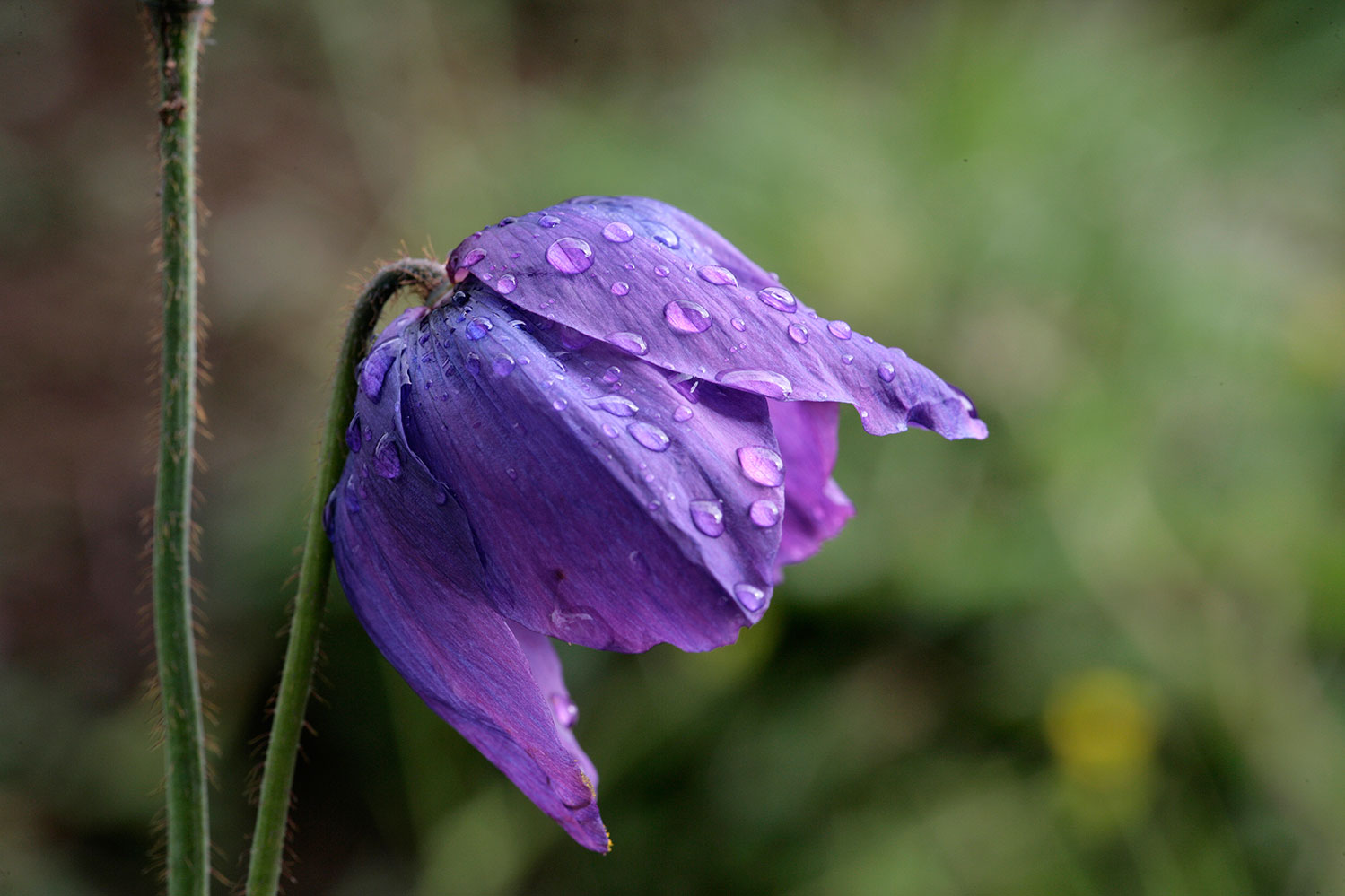
Best Seasons
Bhutan is beautiful throughout the year, and each season offers a different experience....
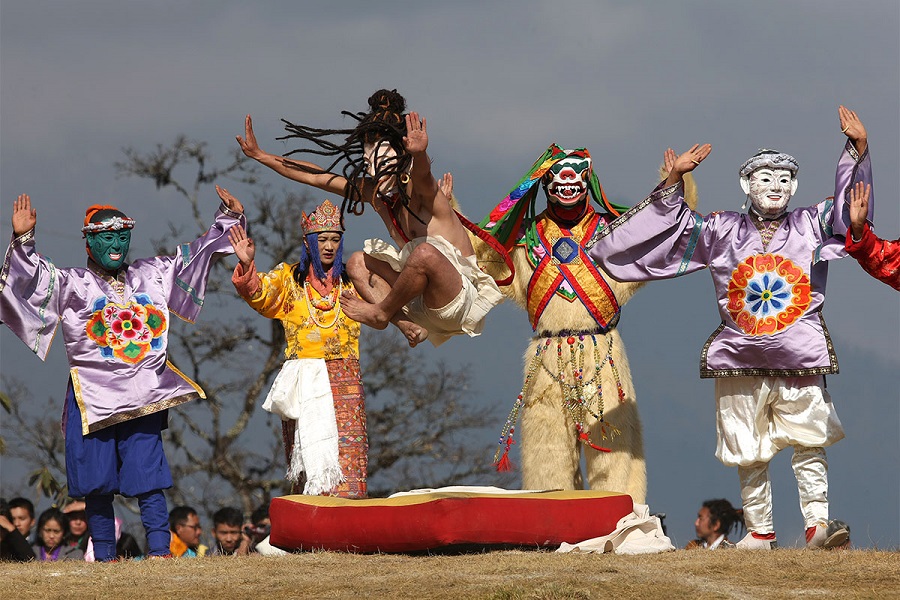
Bhutan Festival Dates
Bhutanese Festivals are vibrant celebrations of tantric Buddhism, held throughout the year according to the lunar calendar....
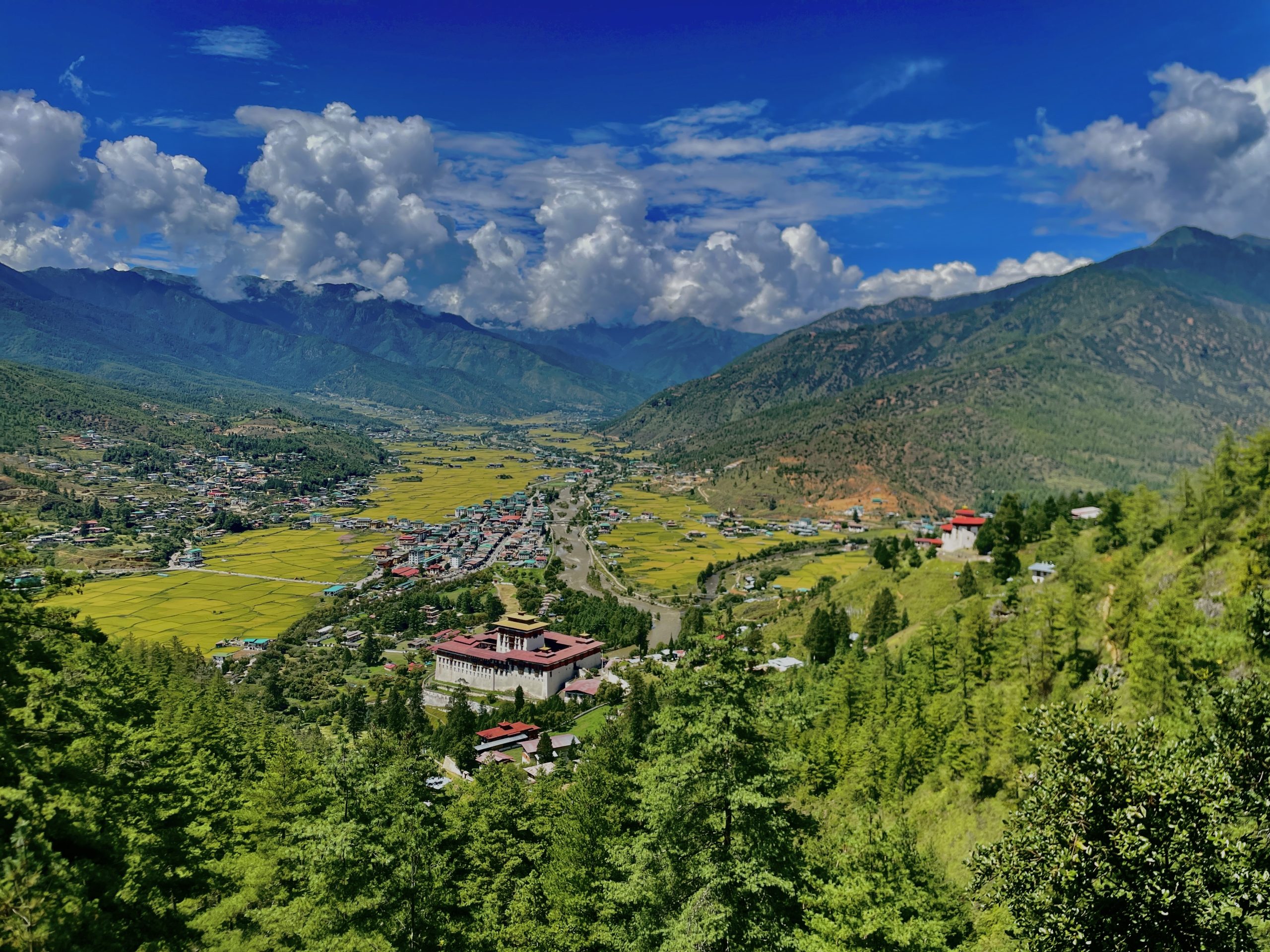
Getting into Bhutan
Bhutan can be reached by air or by land. International flights operate through Paro International Airport, ....